
2 Player Games - Offline
Soup EntBoard
4.6110.00 Reviews
- Version
- 1.5.9
- Installs
- 1.00M
- Age Rating
- Everyone
Screenshots
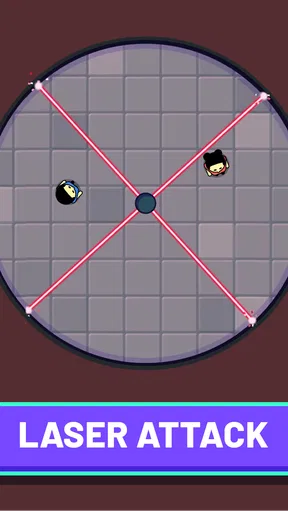
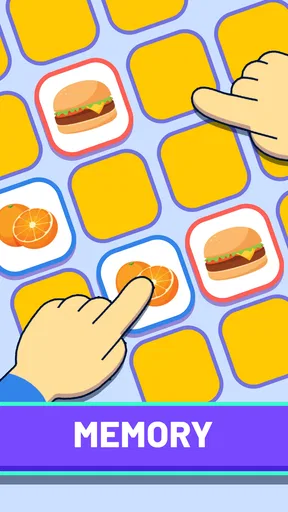
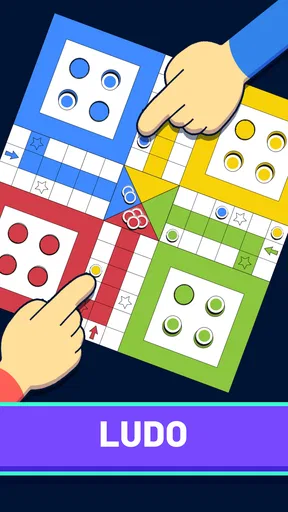
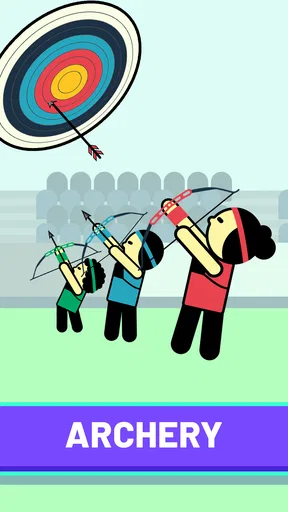
Our Review of 2 Player Games - Offline
 Analysis by Appyee
I picked up 2 Player Games - Offline expecting a simple way to fill a few spare minutes with another person, and that is exactly where it makes the most sense. This is a free board game from Soup Ent built around short two-player challenges, with a focus on playing together rather than competing against a computer or waiting for a large online group to assemble. The first appeal is immediate: hand the phone to a friend or family member, choose something to play, and begin.
That simplicity is also the key to understanding the game. It is not trying to replace a deep strategy board game, a full party-game collection, or a long campaign. Instead, it creates a quick cycle of action, reaction, result, and restart. One player makes a move, the other answers, the screen gives you a clear outcome, and the natural question becomes, “Again?” In my experience, that loop works best when both players want something light, social, and easy to reset.
How the first move sets the tone
The strongest part of the experience is how little preparation a match needs. You do not need to explain a complicated ruleset for several minutes before anyone can participate. The format is designed for two people sharing one device, so it fits situations such as sitting beside a sibling, passing time with a friend, or keeping children occupied during a short wait. The phone becomes a small tabletop rather than a private screen.
That shared-device setup changes the mood compared with many mobile games. In a typical solo game, the phone separates the player from everyone nearby. Here, the important information is visible to both people, and the interaction happens face to face. I found that the strongest sessions came from treating the game as a conversation starter: choose a challenge, make a move, tease the other player, and immediately decide whether the result deserves a rematch.
The short description calls it “2 Player Games,” and that is a useful expectation to keep in mind. This is primarily for exactly two participants. It is not the right download if your main goal is a large group activity, a persistent online league, or a single-player adventure with a story to follow. Its value comes from removing the distance between the players, not from building a huge world around them.
Before starting, I recommend agreeing on a simple rotation: alternate who chooses the next challenge, or let the person who loses select the rematch. That small rule prevents one player from repeatedly choosing only familiar activities. It also reveals one of the collection’s practical strengths: the app works better when you use it as a flexible menu of quick contests instead of treating one favorite mode as the entire product.
Why the shared screen matters
Playing on one device brings a useful kind of fairness, but it also creates a few practical limits. Both players need to be comfortable leaning toward the same screen, and very fast actions can feel less comfortable on a small phone than on a tablet. If you are trying to play while walking, traveling in a crowded vehicle, or holding the device with one hand, the experience is less appealing. This is a sit-down game, even when the session itself is brief.
It is especially suitable for families because the content rating is Everyone. That does not mean every child will understand every challenge instantly, but it does make the overall positioning clear: this is intended as an accessible social game rather than an adult-focused or intense competitive title. I would still play alongside younger children, because the best part is explaining the objective and enjoying their reactions, not leaving them alone with the phone.
The feedback rhythm keeps the match moving
A good quick game needs feedback that arrives before attention drifts. In this one, the rhythm is easy to recognize: I take an action, my opponent responds, the result becomes clear, and the next decision arrives. That sequence gives even a short round a sense of shape. There is enough consequence to make the move matter, but not so much delay that a mistake ruins the whole session.
This rhythm is more important than having a large number of modes. When a two-player game works, the players are constantly reading each other: who is rushing, who is being cautious, who has learned the pattern, and who is pretending not to care. The app provides a framework for that exchange. The real entertainment comes from the reactions around the phone, which is why I think it is more enjoyable with someone you know than with a stranger.
There is a useful distinction between challenge and depth here. A quick contest can be engaging without offering the layered strategy of a traditional board game. If you want long-term planning, carefully balanced resources, or a campaign that remembers your progress, a dedicated strategy title will probably satisfy you more. This app favors immediacy. You understand enough to act, then learn more by playing rather than studying.
One practical tip is to avoid judging the whole collection after a single awkward round. Short games can feel very different depending on the players’ ages, reflexes, and familiarity with the rules. I would try several options and notice which ones create the most conversation. The best mode is not necessarily the one that seems most impressive alone; it is the one that makes both people reach for the phone again.
Where the feedback can lose its edge
The same fast structure that makes the game approachable can make it feel shallow if you play continuously for too long. A collection of brief challenges is excellent for changing activities, but it may not provide enough escalation for players who want a serious test of mastery. After a while, the surprise of discovering a new contest can fade, especially if both players are looking for a single system to learn deeply.
There is also a social trade-off in the one-device design. The screen keeps both players involved, but it can make the physical interaction slightly awkward when each person wants to act quickly. I found that placing the phone flat on a table helps more than holding it upright. It gives both players a stable view and makes the handoff between turns feel less clumsy. That is a small adjustment, but it improves the flow noticeably.
The game’s broad accessibility is another reason not to expect tournament-level precision. It is built for casual competition, where a laugh or a close reversal matters as much as perfect balance. If you and a friend are highly sensitive to tiny control differences or want detailed competitive statistics, you may prefer a more specialized game. For ordinary family play, however, the lighter approach is usually an advantage.
What counts as a reward in a short session
The main reward is not a long-term character, a map, or a complicated collection of unlocks. It is the immediate satisfaction of winning a contest and the social payoff of seeing the other player react. That may sound modest, but it is exactly why the app can work during a short break. You do not have to commit to a large objective before receiving something enjoyable from the session.
I like this kind of reward when I am playing with someone who does not normally play mobile games. There is no need to persuade them to learn a large interface or remember a long story. A win feels understandable, and a loss does not have to end the evening. The result is more like a tiny wager between friends than a permanent judgment of skill.
Because the game is free, it is easy to try without turning the first session into a purchase decision. There are in-app purchases ranging from $1.99 to $9.99 per item, so I would approach any optional spending as a convenience rather than a requirement for discovering whether the core idea suits you. My advice is to play first, decide whether the collection is becoming part of your regular social routine, and only then consider whether an extra purchase is worthwhile.
That approach matters because the app’s strongest value is situational. If you regularly have a partner, sibling, or child nearby, a small purchase may feel more reasonable than it would for someone who usually plays alone. On the other hand, if you downloaded it hoping for a deep solo experience, spending more will not change the basic fact that the design revolves around two people sharing a match.
A realistic everyday use case
Imagine waiting with a friend before an appointment. You have enough time for something more engaging than scrolling, but not enough for a full board game. One of you opens the app, the other chooses the first challenge, and the first result gives you a reason to start talking. After a close round, you switch roles and try another. When your name is called, you can stop without worrying about losing a long campaign or abandoning a complicated setup.
That is where I would recommend it most strongly. It turns an empty pocket of time into a shared activity, and the reset is painless. The game does not demand that you organize an evening around it. It fits around the evening you already have.
It can also work at home when siblings disagree about what to play. Rather than selecting a single winner before starting, you can agree to sample several short contests. Each person gets a chance to choose, and the variety reduces the feeling that one player controls the entire activity. Parents may find that useful when they want a screen-based game that still encourages direct interaction.
The reset is the real reason another match begins
Many casual games are enjoyable once but awkward to restart. The best part of this app is the low cost of trying again. A loss can be answered immediately, a win can be defended, and a change of challenge can refresh the mood without requiring a new download or a long menu search. The reset is not an interruption; it is part of the design’s appeal.
I noticed that the most satisfying sessions were not always the ones with the clearest winner. Sometimes the first round simply taught both players how the challenge worked. The second attempt was better because the rules had become familiar. That creates a small learning curve without turning the game into homework. You improve through repetition, but the repetition remains social.
Still, the reset can expose a limitation for players who need a strong sense of progression. If you want each match to build toward a larger achievement, repeated restarts may feel empty. This is a game for local moments, not necessarily for a personal history of accomplishments. It remembers the excitement of the current contest more effectively than it creates a long-term reason to return on its own.
To get more from it, I would create informal house rules. Play a best-of-three series, award a point for each different challenge, or require the winner to give the loser the next choice. These rules do not need to be built into the app to make a difference. They add structure while preserving the quick reset, and they help prevent the collection from becoming a sequence of disconnected rounds.
Another useful habit is to stop while the session is still fun. Because another match is always easy to begin, it is tempting to keep going after the novelty has faded. Ending after a close result gives the next session a reason to exist. In my experience, this app benefits from being treated as a snack rather than a full meal.
How it compares with familiar alternatives
Compared with a traditional physical board game, this app wins on setup time and portability. You do not need pieces, cards, a table full of components, or someone willing to learn a long rulebook. The trade-off is tactile satisfaction. Physical games often create a stronger sense of ownership, planning, and ceremony, while this app is quicker and less substantial.
Compared with online multiplayer games, it avoids matchmaking, remote coordination, and the social distance of communicating through a display. That makes it better for two people who are already in the same place. The downside is that it cannot replace the convenience of playing with someone who lives elsewhere. If your preferred opponent is remote, an online game is the more natural choice.
Compared with solo puzzle games, it offers more immediate conversation but less personal concentration. A solo title is better when you want quiet focus, a persistent challenge, or progress that belongs only to you. I would choose this one when the person beside me is the reason I want to play. That distinction is simple, but it prevents a lot of disappointment.
Soup Ent has positioned the game clearly enough that its audience is easy to identify. It is a board-category game with a 4.5 average from around four thousand ratings, and it has passed one million installs. Those figures suggest that the basic idea has found a substantial audience, but they should not be read as a promise that every challenge will suit every pair. The personal chemistry between players still matters more than the popularity of the download.
Who should install it and who should skip it
I would recommend it to friends who want an uncomplicated local contest, families looking for a shared phone activity, and casual players who enjoy switching between short challenges. It is also a sensible choice for anyone who dislikes the preparation involved in physical board games but still wants something more social than watching separate screens.
I would be more cautious if you mainly play alone, need deep strategic development, or expect a detailed progression system. The app’s short-session design is a strength only when short sessions are what you want. Players seeking a campaign, a large online community, or a carefully developed competitive ladder should look elsewhere rather than asking this collection to become something it is not.
Device compatibility is reasonably broad: the current version is 1.5.5 and supports Android 7.1 or later. That makes it approachable for people using older Android phones, although the comfort of a shared screen still depends on the physical device. A larger display may make two-player actions easier, while a very small phone can make close contests feel cramped.
The age rating of Everyone also makes it a practical family option, but I would not confuse an accessible rating with universal appeal. Younger players may need help with turn-taking, and older players may prefer the challenges that reward quick reactions or simple tactics. The best results come when both participants agree that the goal is enjoyment first and winning second.
My verdict on the action-feedback-reward-reset loop
2 Player Games - Offline succeeds because its loop is honest. You act, receive an immediate result, enjoy the reaction from the person beside you, and reset before the moment becomes stale. That structure gives the game a clear purpose, and it explains why another session begins: the next round is close at hand, easy to understand, and capable of producing a different outcome.
It is not the deepest board game I have played, and it does not need to be. Its real strength is removing the usual barriers between deciding to play and actually playing. The free entry point, Everyone rating, broad Android support, and local two-person focus make it easy to suggest when a friend or family member is already nearby.
My final recommendation is selective but positive. Install it if you want a pocket-sized collection of quick face-to-face contests and are happy to provide the social energy yourself. Skip it if you want a solo journey, remote multiplayer, or a long-term strategy project. For the right pair, though, this is the kind of game that can rescue an awkward wait, settle a playful argument, or turn a few spare minutes into a surprisingly competitive rematch.
Privacy and Permissions
See what permissions an app requests and how it handles your data.
- Other
- view network connections, full network access, reorder running apps, prevent device from sleeping, Google Play license check
Verdict
Strengths of 2 Player Games - Offline
- Works without an internet connection after installation.
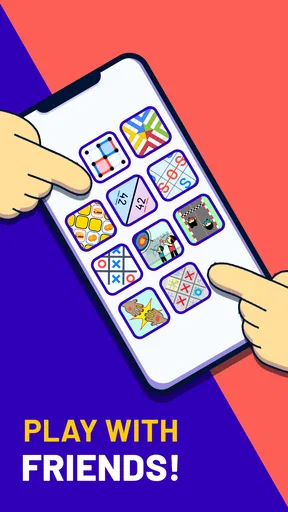
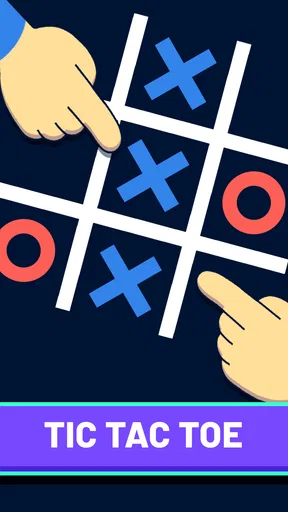
- Offers quick two-player matches on one device.
- Simple controls make most games easy to learn.
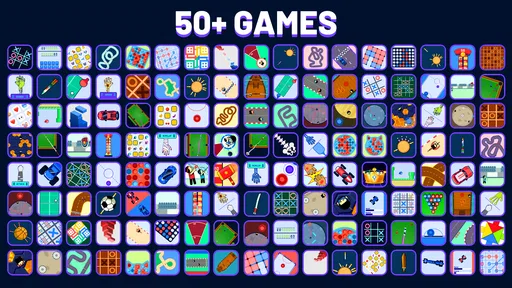
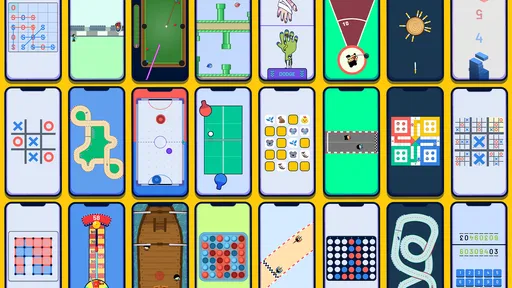
- Good variety of mini-games for casual sessions.
- Suitable for playing with friends or family while traveling.
Limitations of 2 Player Games - Offline
- Requires sharing a screen, which may feel cramped on smaller phones.
- Some mini-games have limited depth after repeated play.
- Ads may interrupt matches or appear between game rounds.
- Not ideal for users looking for online multiplayer modes.
- Different games may vary noticeably in quality and polish.
Similar Picks in This Category
View All
Ludo King®
Gametion4.1

Ludo
Yarsa Games4.6

Tile Master® - Matching Game
Higgs Studio3.6

Checkers Online
CC Games4.6

Dominoes
Loop Games4.7

Chess
Chess Prince4.6
Frequently Asked Questions
What is 2 Player Games - Offline?
2 Player Games - Offline is a collection of quick, competitive mini-games designed for two people playing on the same mobile device. Instead of requiring an internet connection or separate phones, both players usually share the screen and take turns or play simultaneously. The games are generally easy to understand, making the app suitable for casual sessions, family entertainment, and friendly challenges.
Can I play 2 Player Games - Offline without an internet connection?
Yes, the main appeal of 2 Player Games - Offline is that its local multiplayer activities can be played without Wi-Fi or mobile data. After installing the app, you can normally start a match anywhere, including during travel or in places with poor reception. Some optional features, advertisements, updates, or store-related functions may still require an internet connection.
How many people can play at the same time?
The app is primarily built for two players using one smartphone or tablet. Depending on the selected mini-game, players may compete simultaneously on different sides of the screen or take turns completing challenges. It is not intended to replace a large online multiplayer game, but it works well for short one-on-one matches between friends, couples, siblings, or family members.
What types of mini-games are included?
The collection typically focuses on simple arcade, reaction, sports, puzzle, racing, and reflex-based challenges. Each activity has its own objective, but most matches are designed to be learned within seconds and completed quickly. Because the exact selection can vary according to the app version and device, users should check the current store listing for the latest game modes and available content.
Is 2 Player Games - Offline suitable for children, and does it contain ads?
The straightforward controls and short matches can make the app enjoyable for children, although younger players may need help understanding certain rules or sharing the device comfortably. Parents should review the age rating and privacy information before installation. Like many free mobile game collections, it may include advertising, and the frequency of ads or optional purchases can depend on the platform and app version.
Play our best games!


